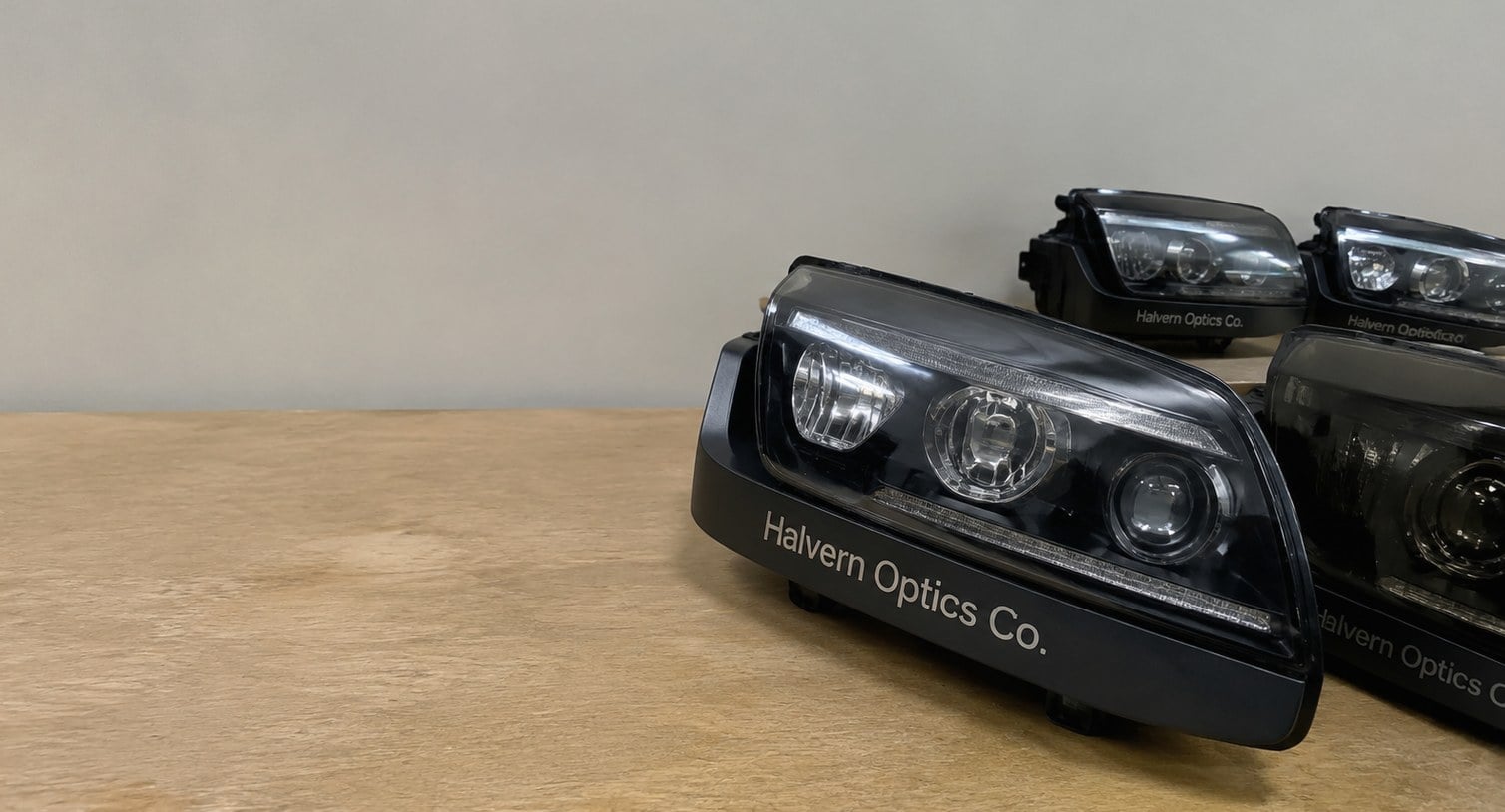
Custom headlights, built to spec.
We build custom headlights in bulk — smoked and tinted assemblies, halo and DRL signatures, projector retrofits, sequential turn-signal assemblies and restoration with recoating — for dealerships, restyling shops, off-road outfitters and fleet operators, from 12 units up.
Free custom artwork in 24 hours · Low price guarantee
As trusted by






Every style, one supplier
Pick a style below, and we will provide free design help and a mockup within 24 hours.
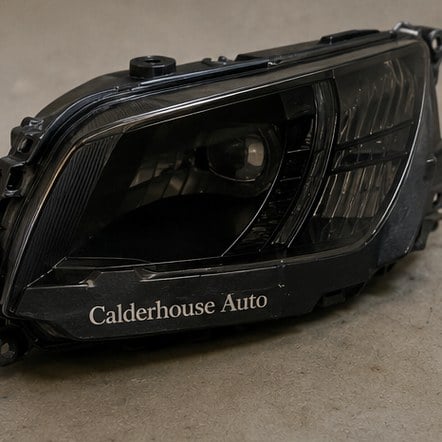
Smoked & Tinted Headlight Assemblies
The look everybody wants, quoted with the output cost written down.
Learn More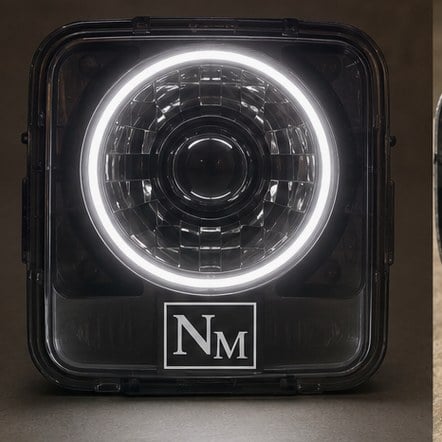
Halo & DRL Signature Headlights
The signature people recognise from a hundred yards, and the one with a colour rule.
Learn More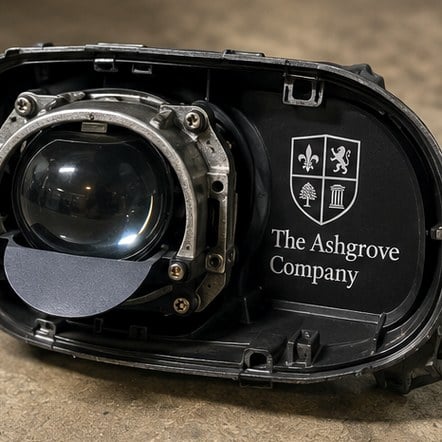
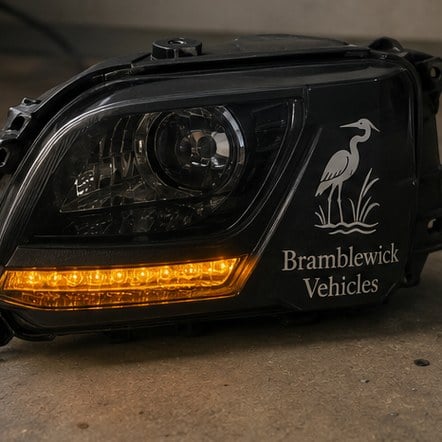
Sequential LED Turn-Signal Headlights
A sweeping indicator that has to stay amber and has to flash at the right rate.
Learn More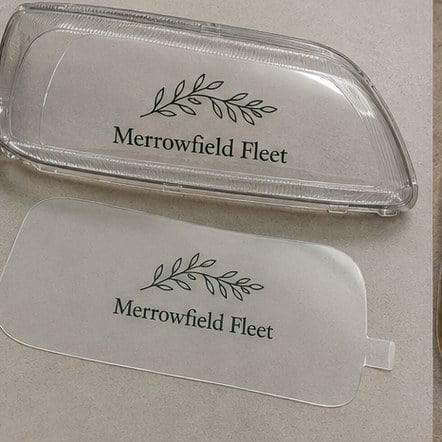
Headlight Protection Film & Covers
The cheapest way to keep a lens clear is to stop it being sandblasted.
Learn More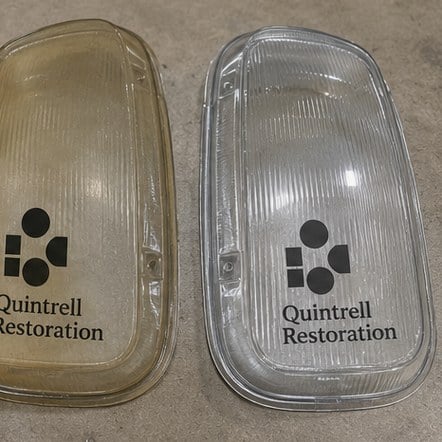
Headlight Restoration & Recoating
Sanding it clear is the easy half. What goes on afterwards decides how long it lasts.
Learn MoreHeadlights are the first thing anybody notices on the front of a car. They are the face of the build.
Four steps from your logo to fully branded headlights
Send your brand
Brand name, logo file, colors, and product preference. No print-ready art? Send a photo or PDF — our designers rebuild it clean and print-ready.
Mockup in 24 hours
We send free design directions rendered on your headlights. Revise as many times as you need — always free until you’re happy.
Approve & pay
Lock the design, confirm quantity and options, then pay. Production starts the same day.
Ship in 2 weeks
Standard production ships in about two weeks — faster turnaround available with express shipping.
Made for the moments that matter
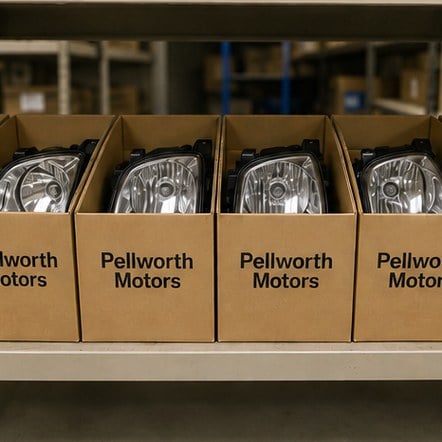
Dealership Accessory Departments
Compliance stated on the invoice rather than implied, so a customer never discovers at inspection what the finish actually was.
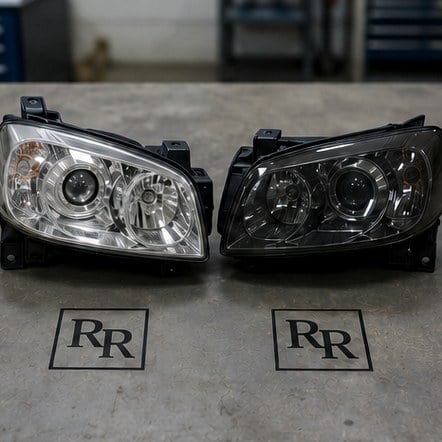
Restyling & Retrofit Shops
Optic and source specified as a pair, beam pattern tested against a target, and hyperflash solved before the box leaves us.
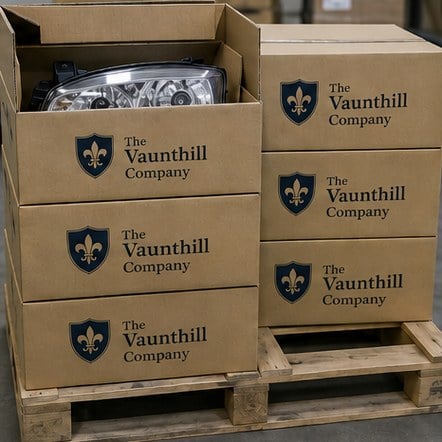
Off-Road & Overland Outfitters
Genuine output gains from a housing designed for its source, plus protection film cut for the lens that actually meets the grit.
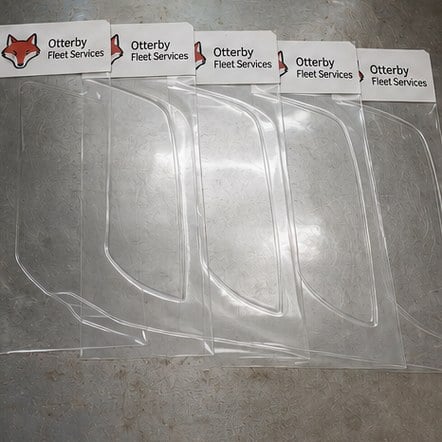
Fleet, Utility & Municipal Vehicles
Restoration and recoating in batches, which costs a fraction of replacing assemblies that are otherwise perfectly serviceable.
Emergency & Specialist Vehicles
Signature lighting built to a defined pattern, with forward-facing colour rules applied instead of quietly worked around.
Show Builds & Car Clubs
Heavy smoke, coloured halos and show finishes supplied and labelled as off-road or show use on the quote, the box and the invoice.
Loved by the brands that order them
“First supplier who put the tint output loss on the quote instead of hiding it.”
“Told us plainly that our LED bulb plan would wreck the beam. It would have.”
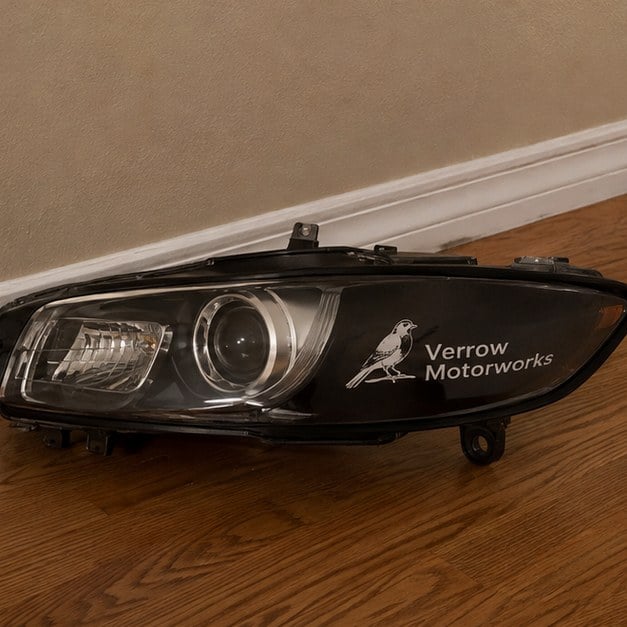
“Retrofit cut-off is razor sharp. No flashing from oncoming traffic any more.”
Your brand, out in the world
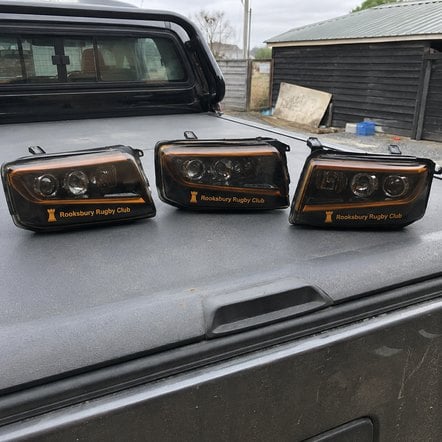
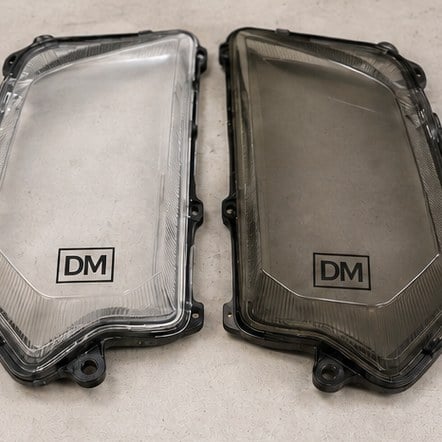
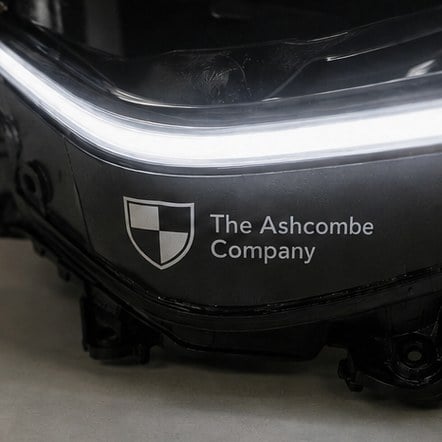
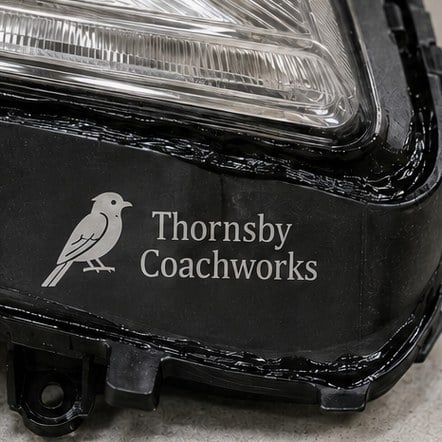
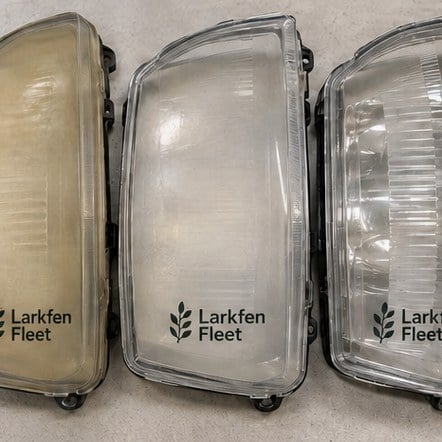
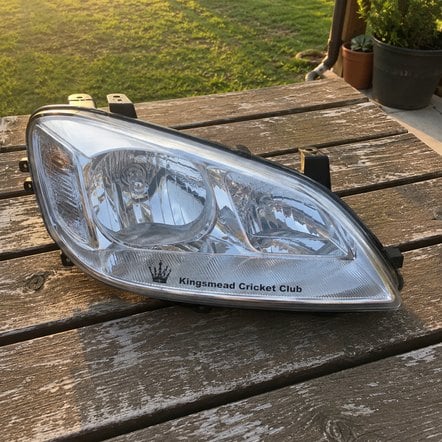
Get your mockup and quote within one business day.
Questions buyers ask before ordering
What is the minimum order?
How fast will my order arrive?
Are custom headlights street legal?
Can I just put LED bulbs in my existing headlights?
Is a higher colour temperature brighter?
How much light does smoking a headlight cost?
Why do headlights fog up on the inside?
Will these fit my vehicle?
Guides for buyers and brands
Create your custom headlights now.
Send the year, make, model and trim, and tell us the look you want — you’ll get a free rendered mockup and quote within one business day.
Get a QuoteWin Free Stuff
Enter below for a chance to win plus receive 10% off your first order.
🎉 You are in!
We will text you your 10% off code. Good luck!